Description
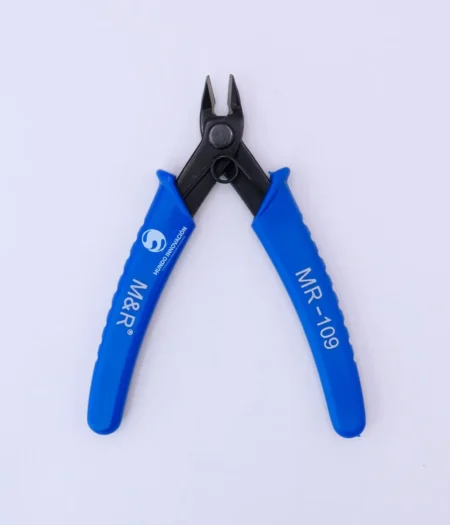
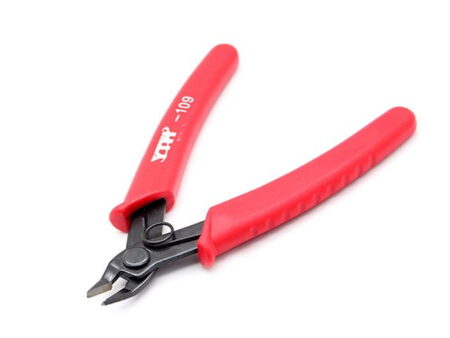
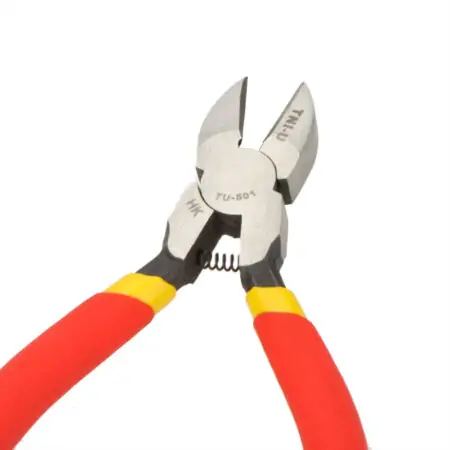
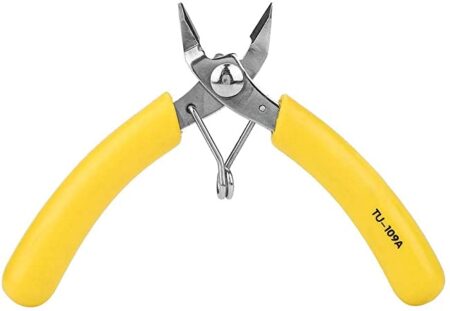
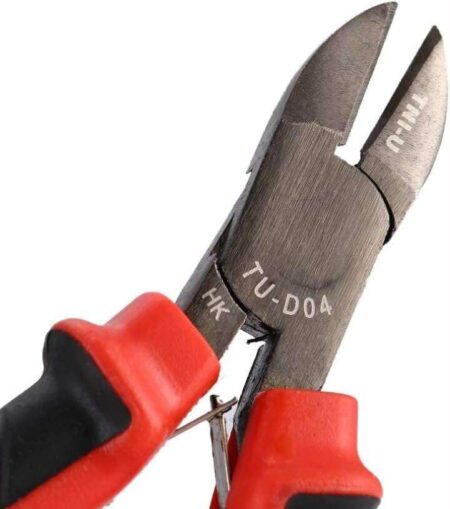
Precision wire cutter TU-A301 (flush, spring return)
✍️ Introduction
The TU-A301 precision wire cutter is built for clean, flush trimming in electronics work. Its slim jaws reach crowded PCBs, the spring-return action speeds repetitive cuts, and the grippy handles keep your hand steady when clipping component leads, jumpers, or small ties.
📦 What’s Included
✨ Key Features
Flush-cut jaws: neat, low-profile cuts for PCB lead trimming.
Slim nose profile: access between dense components and headers.
Spring return: faster, less-fatiguing repetitive work.
Comfort grips: secure, non-slip handling during fine work.
Hardened steel blades: durable cutting edges for long service.
Compact & lightweight: easy to carry in field kits and benches.
📊 Specifications
| Parameter | Value |
|---|
| Tool type | Precision flush wire cutter |
| Model | TU-A301 |
| Jaw style | Flush/diagonal, slim profile |
| Handle | Ergonomic, non-slip grips |
| Return | Spring-assisted |
| Typical use | Copper leads, soft wires, jumpers, small cable ties |
🧰 Compatibility & Tips
Use for soft copper electronics leads and small hook-up wires.
Angle the jaws parallel to the PCB for the flattest finish.
After cutting, lightly deburr any sharp stubs to avoid snags.
Keep blades clean; a tiny drop of light oil at the pivot preserves action.
🎯 Use Cases
Trimming resistor/capacitor/IC leads on PCBs.
Cutting small jumpers and perfboard wiring.
Finishing LED strip tails and sensor leads.
Snipping small nylon cable ties in enclosures.
🛡️ Safety & Handling
Wear eye protection—small offcuts can eject unexpectedly.
Do not cut hardened steel, piano wire, or nails.
Keep fingers clear of the jaw line; close tool when stored.
Wipe dry after use and store away from moisture.
🚚 Quality, Shipping & Batch Notes
Inspected for smooth pivot action and jaw alignment.
Minor handle color tone or printing differences may occur by batch.
Packed to protect cutting edges during transit.
❓ FAQ
Q1: Can it make truly flush cuts on PCBs?
Yes—its flush jaw profile minimizes leftover stubs for neat assembly.
Q2: What materials is it best for?
Soft copper leads, small-gauge electronics wires, and mini cable ties.
Q3: Is there a spring to reopen the jaws?
Yes—spring-return reduces fatigue in repetitive trimming.
Q4: How do I maintain the cutter?
Keep clean, add a drop of oil to the pivot, and avoid hard materials.
Q5: Will it cut steel music wire?
No—use dedicated hard-wire cutters for hardened materials.
✍️ المقدمة
صُمّم قاطع الأسلاك الدقيق TU-A301 لقصّ نظيف ومستوي في أعمال الإلكترونيات. يصل فكّاه النحيفان إلى المناطق المزدحمة على اللوحات، ويُسرّع الارتداد النابضي العمل المتكرر، بينما تمنحك المقابض المريحة ثباتًا عند تشذيب أرجل المكونات والجامبرز ورباطات الكابل الصغيرة.
📦 ما المرفق
✨ الميزات الرئيسية
فكّان بقصّ مستوٍ: تشذيب أنيق منخفض البروز لأرجل المكوّنات.
أنف نحيف: وصول بين المكوّنات الكثيفة والموصلات.
ارتداد نابضي: يقلّل الإجهاد في الأعمال المتكررة.
مقابض مريحة: قبضة آمنة غير منزلقة للأعمال الدقيقة.
شفرتان مقوّتان: حواف متينة لعمر خدمة أطول.
حجم خفيف ومضغوط: مناسب للحقائب ومحطات العمل.
📊 المواصفات
| البند | القيمة |
|---|
| نوع الأداة | قاطع أسلاك دقيق بقصّ مستوٍ |
| الموديل | TU-A301 |
| نمط الفك | قطري/مستوٍ، ملفّ نحيف |
| المقابض | مريحة وغير منزلقة |
| الارتداد | نابضي |
| الاستخدام المعتاد | أرجل نحاسية، أسلاك لينة صغيرة، جامبرز، رباطات كابل صغيرة |
🧰 التوافق والنصائح
مخصص لـ أرجل النحاس اللينة وأسلاك الإلكترونيات الصغيرة.
للحصول على قصّ مستوٍ، اجعل الفكّين موازيين للوحة أثناء التشذيب.
بعد القصّ، قم بتنعيم الأطراف الحادة لمنع التمزقات.
حافظ على نظافة الشفرات؛ نقطة زيت خفيفة على المفصل تُحسّن السلاسة.
🎯 حالات الاستخدام
تشذيب أرجل المقاومات والمكثفات ودوائر IC على الـ PCB.
قطع جامبرز وأسلاك اللوحات التجريبية.
إنهاء أطراف شرائط LED وأسلاك الحساسات.
قصّ رباطات النايلون الصغيرة داخل الصناديق.
🛡️ السلامة والمناولة
ارتدِ نظارات واقية—قد تتطاير القصاصات الصغيرة.
لا تقصّ أسلاكًا صلبة أو معالَجة بالحرارة.
أبقِ الأصابع بعيدًا عن خط القطع؛ أغلق الأداة عند التخزين.
جفّف الأداة بعد الاستخدام وخزّنها بعيدًا عن الرطوبة.
🚚 الجودة والشحن وملاحظات الدُفعات
فحص للمفصل السلس واستقامة الفكّين.
قد يختلف لون المقابض أو الطباعة قليلًا بين الدُفعات.
تغليف يحمي حواف القطع أثناء النقل.
❓ الأسئلة الشائعة
س1: هل يوفّر قصًّا مستويًا فعليًا على اللوحات؟
نعم—تصميم الفك المستوي يقلّل البقايا الحادة بعد التشذيب.
س2: ما المواد الأنسب للقص؟
أرجل نحاسية لينة، أسلاك إلكترونيات صغيرة، ورباطات نايلون صغيرة.
س3: هل يحتوي على نابض لفتح الفكّين؟
نعم—الارتداد النابضي يخفف التعب عند التكرار.
س4: كيف أحافظ على الأداة؟
نظّفها، أضف نقطة زيت على المفصل، وتجنّب المواد القاسية.
س5: هل يقصّ سلك البيانو أو الفولاذ القاسي؟
لا—استخدم قواطع مخصصة للمواد الصلبة المعالجة.