Official Raspberry Pi and Hats، Other Development Boards
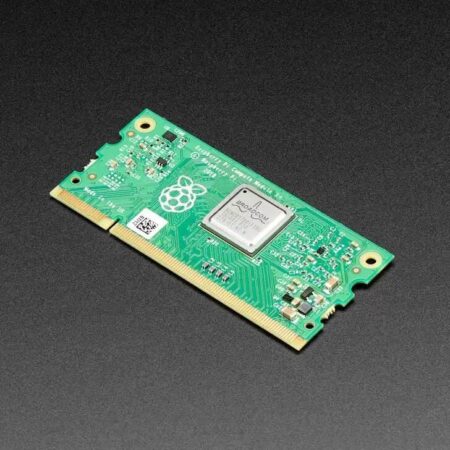
Raspberry Pi Compute Module 3+ 32GB – DDR2-SODIMM SoM, BCM2837B0
Original price was: 3,500.00 EGP.2,800.00 EGPCurrent price is: 2,800.00 EGP.

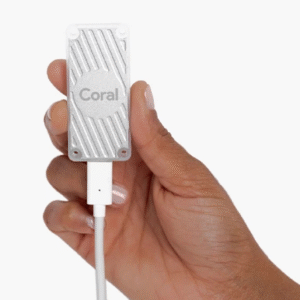
Coral USB Edge TPU accelerator (4 TOPS, USB-C) for fast TensorFlow Lite inference on Linux, macOS, and Windows—compact, low-power ML at the edge.
مسرّع USB Edge TPU (4 TOPS، USB-C) لتسريع استدلال TensorFlow Lite على لينكس وmacOS وويندوز—ذكاء صناعي سريع ومنخفض الاستهلاك.
The USB Edge TPU accelerator adds Google’s dedicated Edge TPU coprocessor to your host—plug into USB-C and run TensorFlow Lite models at up to 4 TOPS with exceptional power efficiency (≈2 TOPS/W). It works with Linux, macOS, and Windows, turning a laptop, mini-PC, or SBC into a speedy edge-inference box for vision, audio, and tiny-ML tasks.
USB Edge TPU accelerator (USB-C) × 1
Quickstart (online) + runtime & PyCoral library download links
⚡ 4 TOPS int8 throughput: accelerate TFLite models; typical efficiency ~2 TOPS/W.
🔌 USB 3.0 Type-C: high-bandwidth link to your host for low-latency inference.
🖥️ Cross-platform: supports Linux, macOS, Windows hosts.
🧠 Edge-first design: runs on-device for privacy and offline operation.
🧰 Developer-friendly: Edge TPU runtime + PyCoral with examples and pre-compiled models.
| Parameter | Value / Notes |
|---|---|
| ML accelerator | Edge TPU (int8 inference) — up to 4 TOPS peak |
| Efficiency | ~2 TOPS/W (example figure from Edge TPU collateral) |
| Host interface | USB 3.0 (USB 3.1 Gen 1) Type-C |
| Host OS | Linux, macOS, Windows (Edge TPU runtime required) |
| Framework | TensorFlow Lite models compiled for Edge TPU (via edgetpu_compiler) |
| Example perf | MobileNet-V2 image models at high FPS on a single TPU (vendor examples) |
| Power | USB bus-powered; low, efficient draw during inference (see datasheet) |
🛠️ Install the Edge TPU runtime and PyCoral; verify with the classification demo.
🧪 Compile your TFLite models with edgetpu_compiler to target the TPU.
🧷 For Raspberry Pi or low-power hosts, use a USB 3.0 port (or powered hub) for maximum throughput.
👁️ Real-time vision (object detection/classification)
🎙️ On-device audio keyword spotting
🏭 Smart kiosks & embedded analytics
🛡️ Privacy-preserving ML at the edge
Use in well-ventilated spaces; avoid covering the enclosure during heavy workloads.
Hot-plugging is supported over USB; still, stop apps before unplugging to prevent data loss. (General best practice.)
Each unit visually checked for USB-C connector alignment.
Minor shell/label differences may occur between batches without affecting function.
Ships in protective packaging.
USB Accelerator – Datasheet (PDF).
Get Started – Runtime & PyCoral setup.
Product overview page.
Q1: Does it contain a CPU (e.g., Cortex-M0)?
A: No—the Edge TPU is a dedicated inference coprocessor. You still need a host computer (PC, SBC) to run your app and feed tensors over USB.
Q2: Which models run best?
A: TensorFlow Lite int8 models compiled for Edge TPU. Many off-the-shelf models (MobileNet, etc.) have ready examples in PyCoral.
Q3: Do I need internet to run inference?
A: No—on-device execution keeps data local, reducing latency and improving privacy.
يضيف مسرّع USB Edge TPU متمم Edge TPU إلى جهازك المضيف؛ وصِّله عبر USB-C لتشغيل نماذج TensorFlow Lite بسرعة تصل إلى 4 TOPS مع كفاءة طاقة ممتازة (≈2 TOPS/W). يعمل مع لينكس وmacOS وويندوز ليحوّل الحاسوب أو لوحة التطوير إلى منصة استدلال طرفية للرؤية والصوت وتطبيقات الذكاء الصغيرة.
وحدة مسرّع Edge TPU بمنفذ USB-C ×1
روابط البدء السريع وتثبيت Edge TPU runtime وPyCoral
⚡ أداء 4 TOPS (int8): تسريع نماذج TFLite؛ كفاءة نموذجية ≈2 TOPS/W.
🔌 واجهة USB 3.0 Type-C: اتصال عالي النطاق مع الجهاز المضيف.
🖥️ منصات متعددة: لينكس، macOS، ويندوز.
🧠 تشغيل طرفي: خصوصية أعلى وزمن وصول أقل بدون اتصال دائم بالإنترنت.
🧰 أدوات جاهزة: Edge TPU runtime + PyCoral مع أمثلة ونماذج جاهزة.
| البند | القيمة / الملاحظات |
|---|---|
| المسرّع | Edge TPU (استدلال int8) حتى 4 TOPS ذروة |
| الكفاءة | ~2 TOPS/W (أمثلة وثائقية) |
| الواجهة | USB 3.0 (USB 3.1 Gen 1) Type-C |
| أنظمة التشغيل | لينكس، macOS، ويندوز (يتطلب Edge TPU runtime) |
| الإطار البرمجي | نماذج TensorFlow Lite المترجمة لـ Edge TPU (باستخدام edgetpu_compiler) |
| مثال أداء | MobileNet-V2 بمعدلات إطار مرتفعة على TPU واحد (أمثلة بائع) |
| الطاقة | تُغذّى عبر USB؛ استهلاك منخفض أثناء الاستدلال (راجع الداتا شيت) |
🛠️ ثبّت Edge TPU runtime وPyCoral ثم شغّل نموذجًا تجريبيًا للتأكد.
🧪 حوِّل نماذج TFLite باستخدام edgetpu_compiler للتهديف على TPU.
🧷 لأفضل سرعة، استخدم منفذ USB 3.0 (أو موزّع مزوّد بالطاقة) على الأجهزة الصغيرة.
فحص بصري لمحاذاة منفذ USB-C.
قد تظهر فروقات طفيفة في الغلاف/الملصق بين الدُفعات دون تأثير وظيفي.
تغليف واقٍ أثناء الشحن.
الداتا شيت (PDF).
ابدأ الاستخدام – Edge TPU runtime وPyCoral.
صفحة المنتج – نظرة عامة.
س1: هل يحتوي على معالج مركزي (مثل Cortex-M0)؟
ج: لا—هذا مسرّع استدلال يتطلب جهازًا مضيفًا يدير التطبيق ويرسل البيانات عبر USB.
س2: ما نوع النماذج المناسبة؟
ج: نماذج TFLite int8 المترجمة لـ Edge TPU؛ تتوفر أمثلة جاهزة في PyCoral.
س3: هل أحتاج إلى إنترنت أثناء التشغيل؟
ج: لا—التنفيذ محلي على الجهاز للمحافظة على الخصوصية وتقليل الكمون.




Tell us what you are building and we will help you find suitable components, modules, development boards and tools from our available range.