Out of stock

ESP32-S3 DevKitC-1 N8R2 – Dual USB-C Wi-Fi + BLE Board
500.00 EGP
ESP32-S3 DevKitC-1 (N8R2: 8 MB flash, 2 MB PSRAM) with dual USB-C (UART + native USB OTG/JTAG), 2.4 GHz Wi-Fi & BLE, RGB LED.
لوحة ESP32-S3 DevKitC-1 (N8R2: 8 م.بايت فلاش، 2 م.بايت PSRAM) مع منفذي USB-C (UART + USB OTG/JTAG)، واي-فاي وبلوتوث LE.
Quantities are confirmed after reviewing
your order. Orders are normally prepared
and shipped within 3–5 business days.
Online availability does not necessarily
mean the product is currently available
at the branch.
تأكيد الكميات بيتم بعد مراجعة الأوردر،
وتجهيز وشحن الطلب بيستغرق عادة من
3 إلى 5 أيام عمل.
توافر المنتج على الموقع لا يعني بالضرورة
توافره داخل الفرع، لذلك اعمل الأوردر
مسبقًا لتأكيد الكمية وتجهيزه.
You are already subscribed
We will notify you when this
product is available again.
أنت مشترك بالفعل، وسنرسل لك
تنبيهًا عند توافر المنتج.
Fast shipping
Delivery across Egypt
Flexible payment
Cash and online options
Quantity confirmation
Confirmed after order review
Technical support
Help choosing compatible parts
- Description
Description
ESP32-S3 DevKitC-1 N8R2 – Dual USB-C Wi-Fi + BLE Development Board
✍️ Introduction
The ESP32-S3 DevKitC-1 N8R2 pairs the ESP32-S3 dual-core LX7 MCU with 8 MB QSPI Flash + 2 MB QSPI PSRAM, giving you enough headroom for advanced Wi-Fi/BLE projects, UI work, and ML/DSP sketches. The board exposes two independent USB functions—a classic USB-to-UART bridge and the SoC’s native USB 2.0 FS (USB-Serial-JTAG/OTG)—so you can power, flash, debug, and even make USB devices with a single cable. Most GPIOs are broken out on breadboard-friendly headers, with Boot/Reset buttons and a built-in RGB LED (GPIO48) for status.
📦 What’s Included
ESP32-S3-DevKitC-1 board populated with ESP32-S3-WROOM-1-N8R2 module × 1 (8 MB Flash + 2 MB PSRAM)
✨ Key Features
Dual-core LX7 up to 240 MHz: optimized for DSP/AI kernels with vector instructions.
Wireless combo: Wi-Fi 2.4 GHz (802.11 b/g/n) + Bluetooth 5 LE.
Two USB paths on board: USB-to-UART for serial/flashing and native USB 2.0 FS / USB-Serial-JTAG for flashing, debug, and USB device/host projects.
Memory for real apps: 8 MB Flash + 2 MB PSRAM (N8R2 variant).
Breadboard-friendly headers: most module GPIOs are broken out for quick prototyping.
On-board conveniences: Boot + Reset buttons, RGB LED on GPIO48, 5 V→3.3 V LDO regulator.
📊 Specifications
| Parameter | Value / Notes |
|---|---|
| MCU / Module | ESP32-S3-WROOM-1-N8R2 (dual-core LX7 up to 240 MHz) |
| Wireless | 2.4 GHz Wi-Fi (b/g/n), Bluetooth 5 LE |
| Memory | 8 MB QSPI Flash + 2 MB QSPI PSRAM (module) |
| USB | USB-to-UART + native USB 2.0 FS / USB-Serial-JTAG (OTG) on board |
| I/O | Up to 36 GPIOs on the module; most available on headers +1 |
| Indicators/Controls | RGB LED (GPIO48), Boot, Reset |
| Power | Via either USB port, 5 V pin, or 3V3 pin (exclusive) |
🧰 Compatibility & Tips
Two ways to flash: use the UART port (legacy method) or the native USB-Serial-JTAG port for faster, driver-light flashing and JTAG debug.
If you use native USB in your firmware, you can enumerate as CDC, HID, MSC, etc. (USB 2.0 FS).
Some SPI-flash/PSRAM pins are internally used by the module—plan your GPIO map accordingly.
🎯 Use Cases
Wi-Fi + BLE gateways, HID gadgets over native USB, display/audio nodes, sensor hubs, TinyML/DSP demos, and beginner-friendly coursework labs.
🛡️ Safety & Handling
Power from one source at a time (USB or 5 V pin or 3V3 pin). Avoid back-powering.
Observe ESD care; do not exceed absolute maximum ratings on GPIOs.
📎 Media & Downloads
ESP32-S3-DevKitC-1 User Guide (v1.1) – official getting started + hardware reference.
ESP32-S3-WROOM-1 / 1U Datasheet – module specs, GPIOs, RF, and ordering codes (incl. N8R2).
🧩 Mini Diagram (ports at a glance)

❓ FAQ
Q1: What exactly does N8R2 mean?
A: N8 = 8 MB QSPI Flash; R2 = 2 MB QSPI PSRAM in the module variant.
Q2: Can I power and program from either USB port?
A: Yes. Both ports can power the board; use UART for classic flashing or native USB-Serial-JTAG for flashing/debug and USB device features.
Q3: Does the board break out most GPIOs?
A: Yes—most module pins are on headers; SPI flash/PSRAM pins remain dedicated.
لوحة ESP32-S3 DevKitC-1 N8R2 – منفذا USB-C واتصال Wi-Fi + BLE
✍️ المقدمة
تجمع لوحة ESP32-S3 DevKitC-1 N8R2 بين معالج LX7 ثنائي النواة وذاكرة 8 ميجابايت فلاش + 2 ميجابايت PSRAM، مع منفذي USB مستقلّين: USB-to-UART التقليدي وUSB الأصلي 2.0 (USB-Serial-JTAG/OTG) للمشروعات التي تتطلب برمجة سريعة وتصحيحًا وواجهات USB مباشرة. تُخرِج اللوحة معظم أرجل الدخل/الخرج على رؤوس ملائمة للخبز، وتضم زرّي Boot/Reset وLED RGB على الرجل GPIO48. +2+2
✨ الميزات الرئيسية
معالج ثنائي حتى 240 ميجاهرتز مع تعليمات متجهة للـDSP/الذكاء الاصطناعي.
اتصال لاسلكي مزدوج: واي فاي 2.4 جيجاهرتز وبلوتوث 5 LE.
منفذا USB على اللوحة: UART للسيريال والبرمجة + USB-Serial-JTAG/OTG للتصحيح والأجهزة المضيفة/الطرفية.
ذاكرة مناسبة للتطبيقات الكبيرة: 8MB فلاش + 2MB PSRAM (إصدار N8R2).
رؤوس توصيل صديقة للبريدبورد لمعظم أرجل الوحدة.
تجهيزات مدمجة: زرّا Boot/Reset وLED RGB (GPIO48) ومنظّم 5V→3.3V.
📊 المواصفات
| البند | القيمة / الملاحظات |
|---|---|
| الشريحة/الوحدة | ESP32-S3-WROOM-1-N8R2 (ثنائي النواة LX7 حتى 240 ميجاهرتز) |
| الاتصال اللاسلكي | واي فاي 2.4 جيجاهرتز (b/g/n)، بلوتوث 5 LE |
| الذاكرة | 8MB فلاش + 2MB PSRAM (داخل الوحدة) |
| USB | USB-to-UART + USB 2.0 FS / USB-Serial-JTAG (OTG) على اللوحة |
| أرجل الدخل/الخرج | حتى 36 رجلًا على الوحدة؛ معظمها مخرجة على الرؤوس +1 |
| المؤشرات/الأزرار | LED RGB (GPIO48)، Boot، Reset |
| التغذية | عبر أي منفذ USB أو 5V أو 3V3 (مصدر واحد فقط في المرة الواحدة) |
🧰 التوافق والنصائح
طريقتا برمجة: UART التقليدية أو USB-Serial-JTAG الأسرع مع تصحيح JTAG.
عند استخدام USB الأصلي يمكنك الظهور كأجهزة CDC/HID/MSC (USB 2.0 FS).
بعض أرجل الذاكرة مخصّصة داخليًا—خطّط خريطتك وفق ذلك.
📎 الوسائط والتحميلات
دليل المستخدم ESP32-S3-DevKitC-1 (الإصدار 1.1) – مرجع رسمي.
الداتا شيت للوحدة ESP32-S3-WROOM-1/1U – معلومات الإصدار N8R2، المواصفات والأرجل.
Related Products

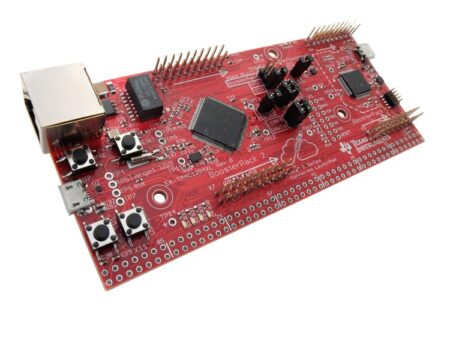
EK-TM4C1294XL ARM® Cortex®-M4F-Based MCU TM4C1294 Connected LaunchPad™ Evaluation Kit
Original price was: 4,500.00 EGP.3,700.00 EGPCurrent price is: 3,700.00 EGP.
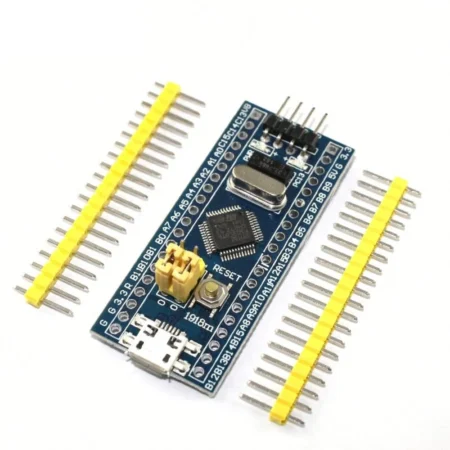
STM32F103C8T6 Minimum System Board Microcomputer STM32 ARM Core Board Original Chip
Original price was: 350.00 EGP.245.00 EGPCurrent price is: 245.00 EGP.

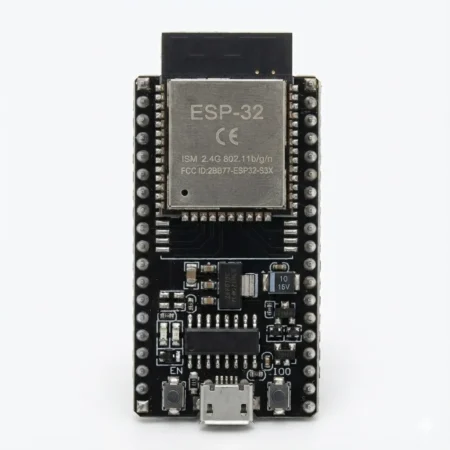
38Pin CP2102 ESP-32 Wifi+Bluetooth Development Board
Original price was: 450.00 EGP.350.00 EGPCurrent price is: 350.00 EGP.
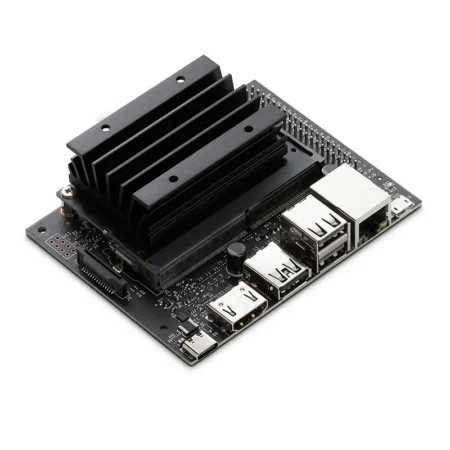
NVIDIA Jetson Nano 2GB Developer Kit
Original price was: 15,000.00 EGP.12,500.00 EGPCurrent price is: 12,500.00 EGP.