Product Overview
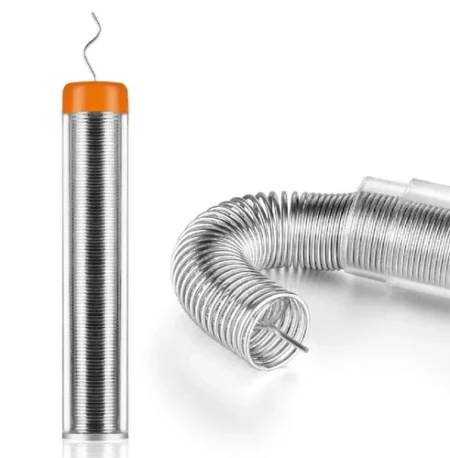
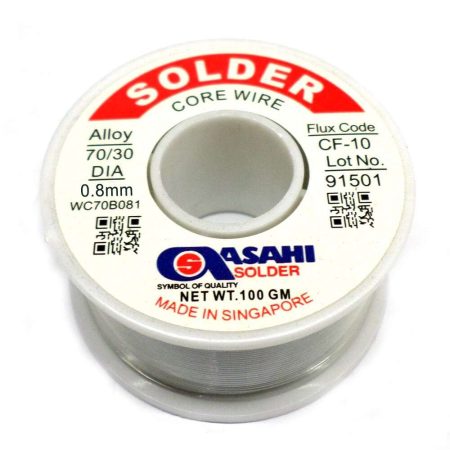
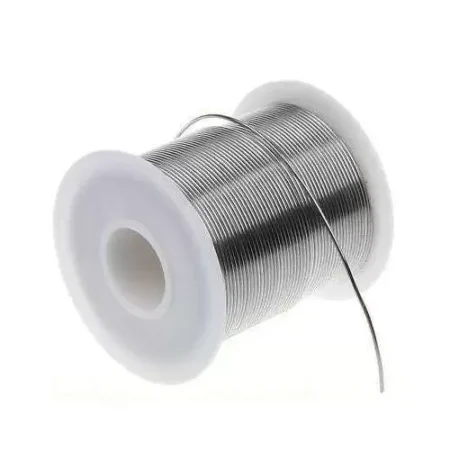
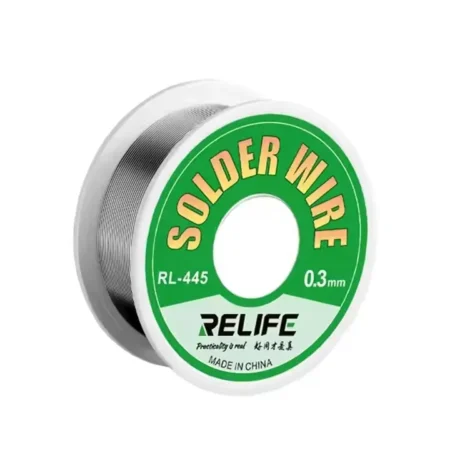
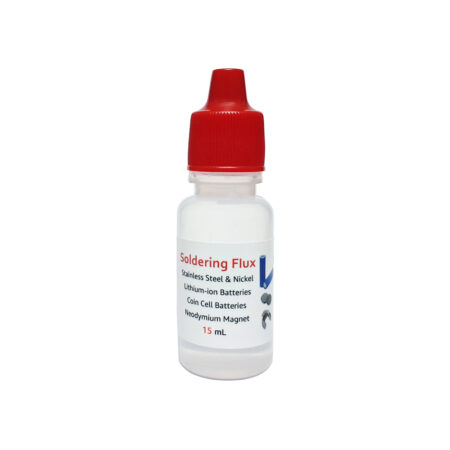
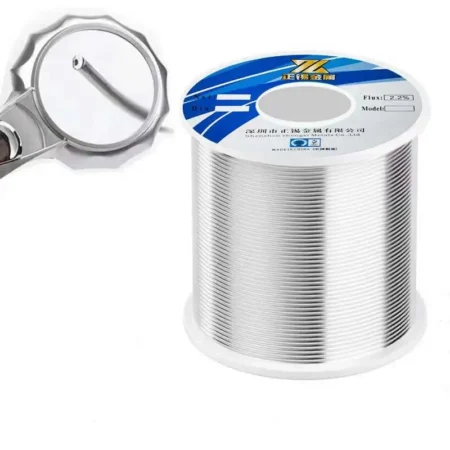
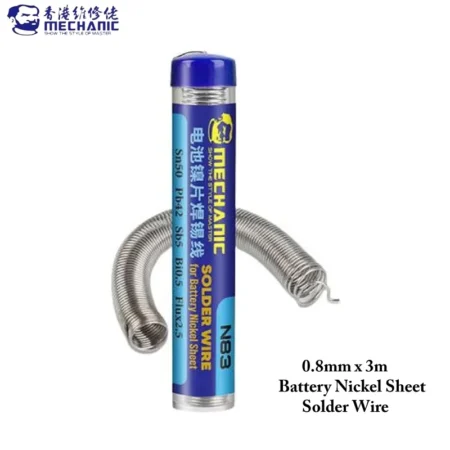
RELIFE RL-444 Nickel Sheet Solder Wire 0.8mm is a specialized solder wire designed for battery nickel sheet soldering and metal repair applications where ordinary solder wire may not provide the required activity. It is especially useful for mobile phone battery nickel tabs, battery connection sheets, stainless steel, nickel, zinc, iron, copper, aluminum, and other difficult metal surfaces that require stronger soldering activity and better wetting.
This solder wire is designed for welder-free operation, allowing technicians to solder battery nickel sheets using a suitable soldering iron instead of relying only on spot welding equipment. It is a practical option for repair benches, battery maintenance, mobile phone battery work, electronics repair, and metal contact soldering where controlled manual soldering is needed.
The 0.8mm wire diameter offers a strong and practical solder feed for battery tab work and metal sheet soldering. Compared with very thin solder wire, the thicker 0.8mm size provides more solder volume per feed, making it suitable for larger contact surfaces, battery terminals, nickel strip edges, and metal connection points that need a firm solder joint.
RELIFE RL-444 is made with high tin content material and a smooth wire surface to support stable soldering performance. Its good activity helps remove oxide film more effectively during soldering, improving solder spread and helping create bright, firm solder joints. This makes it suitable for repair tasks where strong bonding, good conductivity, and clean soldering results are important.
For best results, clean the metal surface before soldering and remove dirt, grease, or heavy oxidation. Use a suitable soldering iron with enough power for the metal surface being soldered, because battery tabs and metal sheets can absorb heat faster than normal circuit board pads. Heat the target area properly, then feed the RELIFE RL-444 solder wire until the solder spreads smoothly over the surface.
When working with battery cells, avoid overheating the battery body and keep soldering time as short as possible. If the battery structure or safety requirements demand spot welding instead of soldering, follow the correct battery assembly method. This product is intended for repair and connection tasks where manual soldering is suitable.








Admin1 (#289) –
{“action”:”status_change”,”payload”:{“from”:”new”,”to”:”draft”,”by”:”Admin1″},”time”:”2026-05-12 11:32:24″}
Admin1 (#289) –
{“action”:”status_change”,”payload”:{“from”:”draft”,”to”:”publish”,”by”:”Admin1″},”time”:”2026-06-12 20:50:40″}